


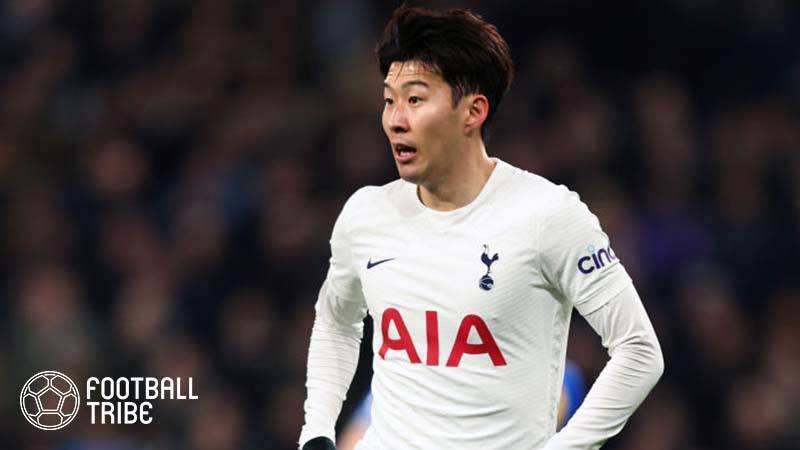
Tottenham Hotspur’s 2024/25 UEFA Europa League triumph on May 21 not only ended a 17-year trophy drought for the North London club—it also marked a historic milestone for Asian football. Manager Ange Postecoglou and captain Son Heung-min became the first Australian manager and first South Korean captain, respectively, to win a European title.
While Australian players such as Harry Kewell and Ajdin Hrustic had previously lifted European silverware, and South Korean stars like Park Ji-sung, Lee Ho, Kim Dong-jin, and the legendary Cha Bum-kun had done the same, none had captained or managed their teams in a European final. This makes the achievement by Postecoglou and Son particularly groundbreaking—not only did they win, but they also led their team to the final and emerged victorious.
The final itself was a tense and scrappy affair, with Spurs narrowly defeating fellow Premier League side Manchester United 1–0 at the San Mamés Stadium in Bilbao. The decisive goal came in the 42nd minute from Brennan Johnson, giving Tottenham the edge before halftime.
Known for his high-intensity attacking philosophy dubbed “Angeball,” Postecoglou made a rare tactical shift in the second half, adopting a more pragmatic approach as Spurs soaked up sustained pressure from United. Son, having just recovered from injury, started on the bench but entered the match in the 67th minute. Upon stepping onto the pitch, stand-in captain Cristian Romero handed him the armband, ensuring that it was Son who would lift the Europa League trophy at full-time—a symbolic moment for both the club and Asian football.
Tottenham’s Europa League success came during a turbulent domestic campaign, with the club languishing in 17th place in the Premier League—albeit safely above the relegation zone—and crashing out of both the EFL Cup (semifinals) and FA Cup (fourth round). In many ways, their European triumph served as a defiant response to critics and a redemptive highlight in an otherwise disappointing season.
More than just a trophy, the victory represented a powerful statement of belief, resilience, and progress. For Postecoglou and Son, it was a crowning moment that transcended club boundaries—shining a light on the growing global footprint of Asian talent in European football, and inspiring a new generation of players and coaches from the region to dream bigger.