


There is a striking twist of fate unfolding in Southeast Asian football: Singapore have reached the 2027 AFC Asian Cup, while Malaysia now risk being kicked out of the same tournament after FIFA opened a criminal investigation into the Football Association of Malaysia (FAM).
On November 18, Singapore confirmed their place at the continental finals with a hard-fought 2-1 victory over Hong Kong, while Malaysia continued their smooth run in qualifying by edging Nepal 1-0.
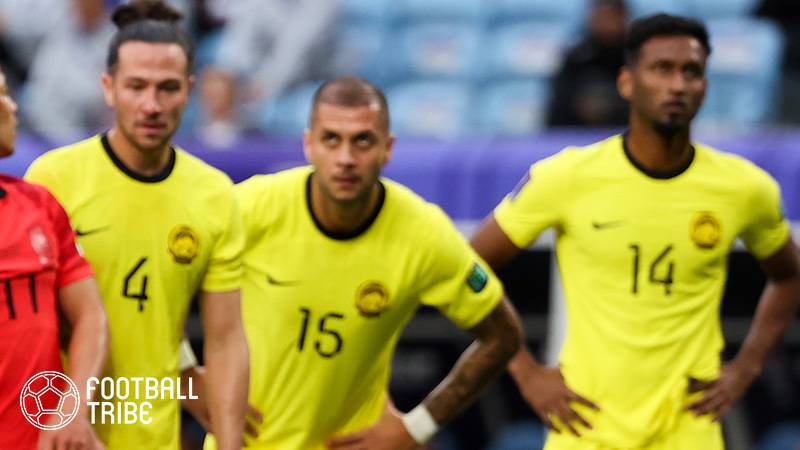
But Malaysia’s campaign has been overshadowed by controversy. Authorities are examining claims that the national team fielded seven players of questionable eligibility—footballers with heritage links who allegedly did not meet FIFA’s naturalization requirements earlier in the competition.
Singapore’s situation could not be more different. With only two naturalized players in their squad, namely South Korea-born Song Ui-yong and Japan-born Kyoga Nakamura, the Lions secured their first Asian Cup qualification on merit since 1984, reinforcing the belief that their football program is progressing through sustainable methods rather than shortcuts.
Football analyst Dr. Zulakbal Abdul Karim was blunt in his assessment. He argued that FAM’s attempt to fast-track success had disastrously backfired, while Singapore’s steady, rule-abiding strategy has borne fruit.
Zulakbal noted that Singapore, despite their limited population, earned their place fairly. Naturalized players were part of the setup, but the Republic adhered strictly to FIFA guidelines. Malaysia, he said, attempted a quick solution—a reaction to the infamous 10-0 defeat to the UAE during the 2015 World Cup qualifiers—but ignored long-term planning.
According to Zulakbal, naturalization is not inherently problematic; other nations like Indonesia, Thailand, Vietnam, and the Philippines have used it effectively. The issue lies in execution. Malaysia rushed the process, and the current scandal has stained the country’s reputation on the international stage.
Zulakbal warned that further penalties from FIFA are likely. Even so, he urged Malaysian football to rebuild properly, learn from the debacle, and focus on a long-term reset. If reforms are made and adhered to, he believes the team could still target the 2031 AFC Asian Cup as a realistic comeback point.