


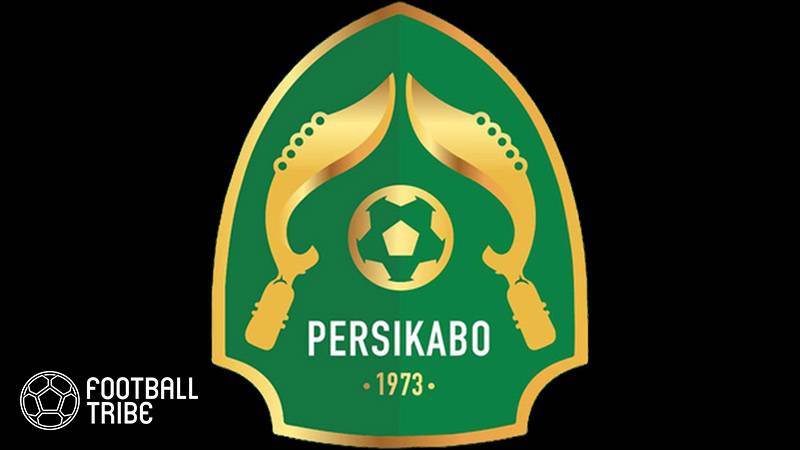
When Persikabo Bogor saw off Bogor Raya FC 2–1 on October 28, it marked the beginning of a new chapter in the Laskar Padjajaran’s storied journey — one where the club and its fans could finally breathe again after years of turmoil and uncertainty.
Founded in 1973, Persikabo were long considered a modest outfit, shuttling between Indonesia’s top two divisions through the late 1990s and early 2000s. Despite being overshadowed by regional heavyweights like Persija Jakarta and Persita Tangerang, Persikabo built a loyal following across Bogor Regency and its surrounding areas, with two major supporters’ groups — Kabomania and UPCS — passionately backing their local side.
After failing to qualify for the newly formed Liga Super Indonesia in 2008, Persikabo entered a long decline. By 2017, they had slipped from the second tier to the very bottom of Indonesia’s football pyramid. Yet, through it all, their fans remained — loyal, vocal, and hopeful.
Then came a twist of fate.
In 2016, the Indonesian Army established PS TNI, a professional club that took over Persiram Raja Ampat’s league license to secure instant entry into the top flight. Backed by one of Indonesia’s wealthiest figures, PS TNI had money, infrastructure, and players — but no fans. The club struggled to attract meaningful support, as football loyalties in Indonesia are deeply rooted in local identity.
Persikabo, on the other hand, had what PS TNI lacked — an impassioned fanbase and a home in Bogor. In 2019, the two entities merged, forming TIRA-Persikabo. The new club retained PS TNI’s league position and structure but adopted Persikabo’s supporter base and moved to the Pakansari Stadium.
The merger was initially met with skepticism and resistance. To many Kabomania and UPCS members, it felt like Persikabo had taken a shortcut to the top division. But over time, the allure of top-flight football softened hearts, and the fans returned.
Renamed Persikabo 1973 in 2020 to cement their Bogor identity, the club seemed stable — if unremarkable — in the following years, always hovering around the relegation zone but rarely making headlines. That all changed with a single sponsorship deal.
Around the time of the rebrand, Persikabo 1973 struck a partnership with SBOTOP, a Philippines-based online betting website whose name had appeared on the shirts of Premier League clubs like West Ham United, Leeds United and Fulham. But in Indonesia, gambling is illegal — and soon, the deal came under scrutiny.
In 2023, amid a nationwide crackdown on online gambling, the Indonesian National Police launched a probe into SBOTOP’s involvement in Persikabo’s sponsorship. The scandal came at the height of an “online gambling epidemic,” and public outrage quickly followed.
Though the club replaced SBOTOP’s logo with their benefactor’s foundation, the fallout was irreversible. The financial backer quietly withdrew, seeking distance from the investigation, and the club’s future began to unravel.
Without funding, Persikabo 1973 spiraled into chaos. Ownership changed hands repeatedly — each new investor promising revival but delivering neglect. One consortium even tried to fold the club into a multi-team project alongside smaller sides Nathan Lebak and Bintang Kranggan, but Persikabo was soon abandoned, unpaid wages piling up as players and staff fled.
By 2025, the Laskar Padjajaran suffered back-to-back relegations, dropping into the third tier. The owners vanished, the club collapsed, and a once-proud fanbase was left heartbroken.
It seemed that Persikabo’s demise was inevitable — until Irman Nurcahyan intervened.
The Chairman of Bogor’s Handball Association, Irman saw the club’s plight and refused to let its legacy fade. He and a group of passionate locals revived the club under its old name, Persikabo Bogor, starting fresh from the lowest rung — Liga 4 West Java Series 2. It was a humble beginning, but exactly the clean slate the team needed.
The response was immediate. Kabomania, UPCS, and other fan groups rallied behind the reborn Persikabo, determined to keep the name alive — even if it meant facing amateur sides and academy teams in rural pitches.
Their 2025/26 campaign began in Group L, alongside fellow Bogor sides Pakuan City, Bogor Raya FC, and Diklat Imran Soccer Academy. The debut against Pakuan City on October 26 was washed out by torrential rain — but two days later, against Bogor Raya, Persikabo finally took to the field again.
It wasn’t the packed stadiums or national broadcasts of old. There were no star players or corporate sponsors — just a small crowd, a muddy pitch, and the unmistakable spirit of Bogor football. When the final whistle blew, Persikabo Bogor had triumphed 2–1.
For the fans, the scoreline mattered little. What mattered was that Persikabo lived again.
The Laskar Padjajaran were reborn — humbler, purer, and once more belonging to Bogor.